AI and Product Photography: Why I Don’t Think AI Will Replace Photographers
Every time a new AI tool drops, I see loads of posts, videos, and comments from people asking the same thing:
“So… are photographers going to be replaced by AI?”
The short answer… no.
Longer answer? Photographers who use AI will absolutely replace photographers who refuse to adapt—but the core of what we do isn’t going anywhere.
AI can generate images. It can even make them look polished, trendy, and “scroll-stopping.” (which I absolutely hate that word now due to Chat GPTs extreme over use)
But what it can’t do is the thing that actually makes images work:
Build trust
Capture authentic stories
Create relatable visuals that feel like real life
That’s where humans still win.
In this post, I want to talk about why I don’t think AI is replacing photographers any time soon, specifically through the lens of authenticity, trust, and relatability.
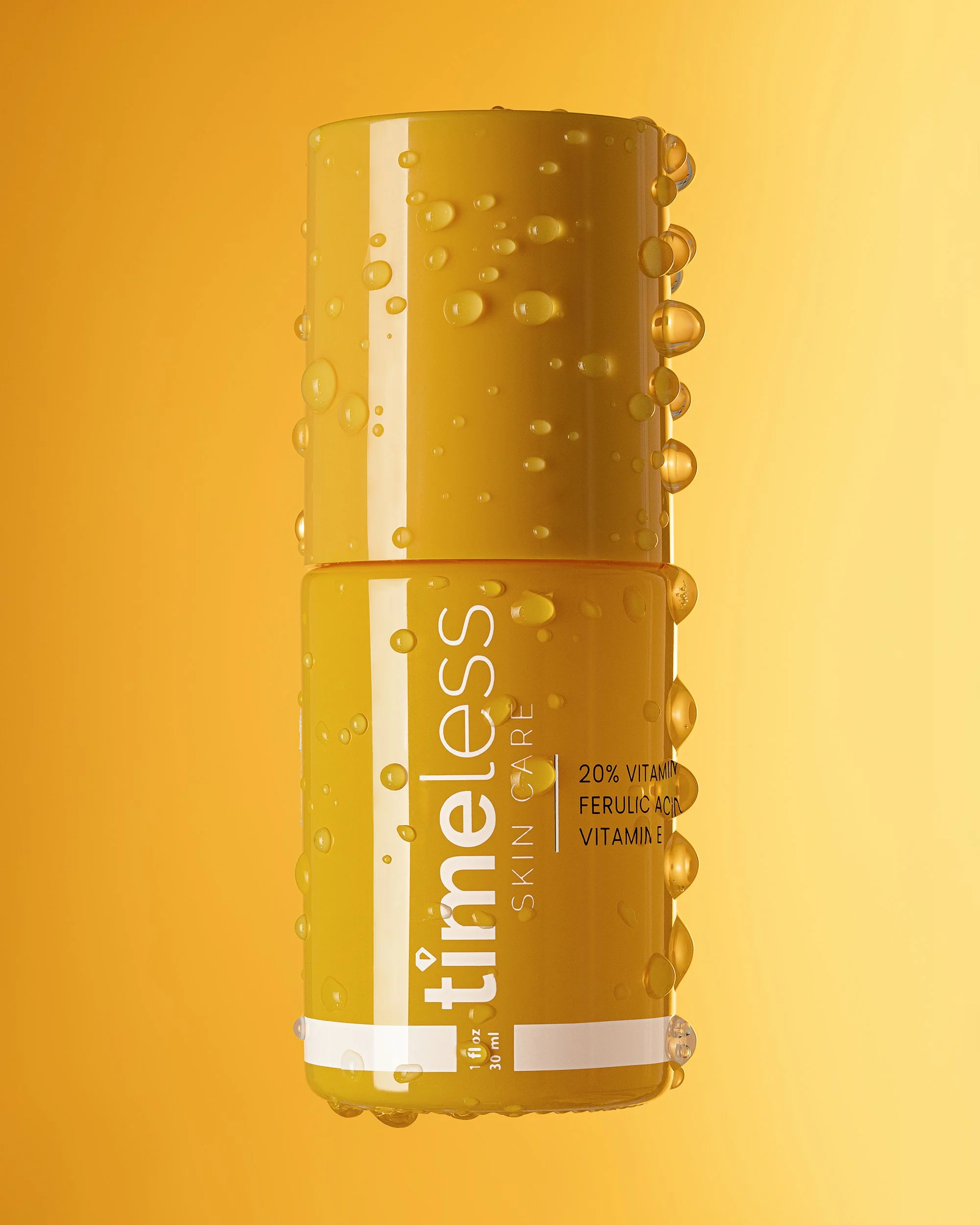
Timeless Skincare
Showing the product texture on the outside of the packaging.
1. Authenticity: People Can Feel When Something’s “Off”
We are all getting better at spotting AI-generated content, even if we don’t consciously notice it.
Perfect skin texture.
Hands that look almost right.
Lighting that’s technically perfect but somehow… sterile (with a slight tinge of yellow-green)
AI is great at imitating, but authenticity isn’t about imitation. It’s about experience.
When I’m behind the camera, I’m not just pressing a button:
I’m noticing the way your product catches real light, on a real surface, in a real space.
I’m adjusting angles based on how someone is actually moving, breathing, and relaxing into the set.
I’m reacting to micro-expressions.
Those subtle, imperfect details is where authenticity lives.
A bottle that leans slightly, a hand that’s mid-motion, a genuine laugh that crinkles someone’s eyes, those aren’t “errors” to be corrected. They’re the human texture that makes an image feel true.
AI can simulate reality, but it doesn’t witness it. And audiences can feel that difference, even if they can’t articulate why.

Handmade Jewelry
Soft and dreamy vibe to show off the stunning jewelry.
2. Trust: Your Customers Want to Believe You
Here’s the thing AI can’t do: be accountable.
As a brand, you’re making promises to your customers that look something like this:
“This is what your skin could look like.”
“This is how that product fits in your home.”
“This is how our food actually looks when you cook it.”
If your imagery is obviously AI-generated—or worse, you hide that it’s AI-generated—you create a gap between what you show and what customers experience.
That gap is where trust erodes.
As a photographer. I’m not just there to deliver beautiful images, I’m also:
A creative partner who understands your product and your audience
A set of eyes trained to make your product look its best while still being honest
A human you can email, call, Zoom, and collaborate with when things change
You can’t hop on a call with Midjourney and say, “Hey, our new formula is a bit thicker, can we show more texture in the next round of photos?”
You can’t ask ChatGPT to re-shoot something with a slightly different label layout, in your warehouse, with your actual team.
And if a customer ever asks, “Does it really look like that in real life?” it’s pretty powerful to be able to say, “Yes! Those are real photos of the real product.”
AI can assist with visuals. It cannot replace the trust that comes from knowing there’s a real person behind the work, standing by it.

SJ Candles
Product launch showing the candle ingredients.
3. Relatability: People Still Crave Human Connection
We don’t connect with pixels; we connect with people.
When you see:
A woman actually using your cleanser and serum in her real bathroom
A pair of hands scooping your greens powder into a glass and stirring it at the kitchen counter
A friend-group vibe doing a self-care night with your face masks and under-eye patches
… it hits differently than a flawless, hyper-perfect render.
Relatability comes from:
Natural hair texture
Real body language
The way light falls imperfectly through a window
Those little cues tell your audience, “This could be you.”

Poppy and Pout
Wicked inspired photoshoot for the launch of their new products
Where AI Does Fit (And Why I Still Use It)
All of this doesn’t mean I’m anti-AI. I’m not.
I actually use AI in my process, too:
Brainstorm concepts and scenes
Build moodboards and visual references
Explore color palettes and lighting ideas
Test compositions before a physical shoot
Think of AI as a supercharged sketchbook. It’s incredible for ideation. It helps show clients what we’re planning before we start buying props, booking models, or building sets.
But when it’s time to actually create the visuals your audience will connect with?
That’s where the human side kicks in:
I’m sourcing props that feel on-brand.
I’m deciding how to physically stage a scene so it looks pretty and helps sell the product.
I’m working with real people and real products, so what we create is something your customers can actually trust.
AI is a tool. The photographer is the storyteller.

Lunar Lifts
Website Banner displaying all the brand’s flavors and toppings.
So… Will AI Replace Photographers?
I don’t think so.
What I do think is this:
AI will replace some of the repetitive, technical, or low-budget work.
AI will make it easier to get “good enough” visuals.
But when it comes to images that are authentic, trustworthy, and relatable, brands will still need humans behind the camera.
Because in the end, you’re not just paying for images.
You’re investing in:
A point of view
A relationship
A human who understands your brand, your customer, and the feeling you’re trying to create
AI can help with the “how.”
Photographers are still essential for the “why.”
If you’re a brand trying to figure out when to lean on AI and when to invest in custom photography, that’s exactly the kind of conversation I love having. There’s a place for both, and they work best together when there’s a human at the center, directing the story.